: It utilizes both TCP and UDP for different management and data transfer tasks, though filesystem access itself is heavily dependent on the high TCP port range. Performance & Use Cases
The xsanctl command also offers diagnostic subcommands such as ping to test the liveliness of the MDCs and sanConfigChanged or disksChanged to force the system to rescan for new storage hardware without a full reboot. When performing advanced operations like enabling Access Control Lists (ACLs) on a volume, the xsanctl may be required to adjust filesystem parameters. xsan filesystem access
Configure your FC switches and Mac clients for . This allows a client to connect via multiple paths, ensuring that if one path fails, the other takes over, and it improves aggregate throughput. 3. Permissions and ACLs : It utilizes both TCP and UDP for
Storage must be ALUA (Asymmetric Logical Unit Access) compliant, typically deployed using Apple-qualified or enterprise-grade RAID systems. 2. Client Configuration via MDM Configure your FC switches and Mac clients for
Xsan operates as a . In a traditional network-attached storage (NAS) setup, clients request files via network protocols like SMB or AFP, and the NAS device handles the actual file system logic. Xsan works differently by separating file data from file metadata.

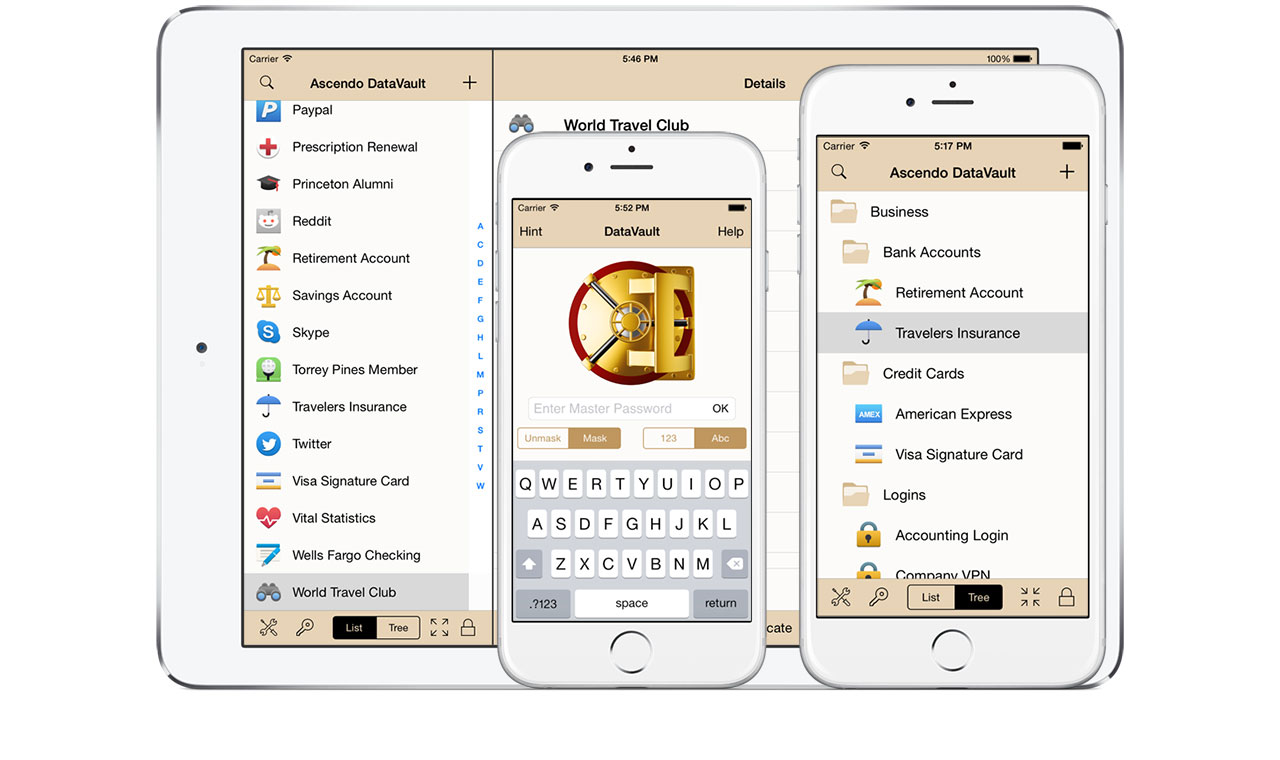
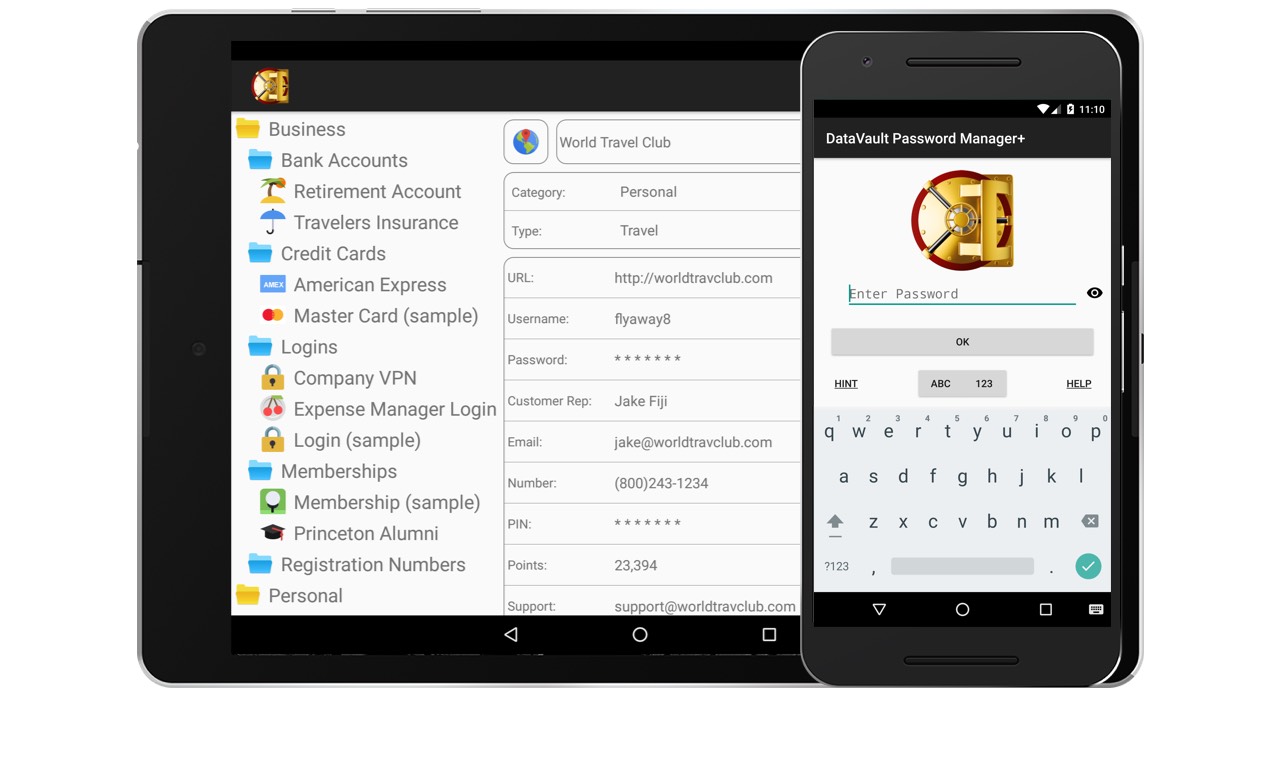
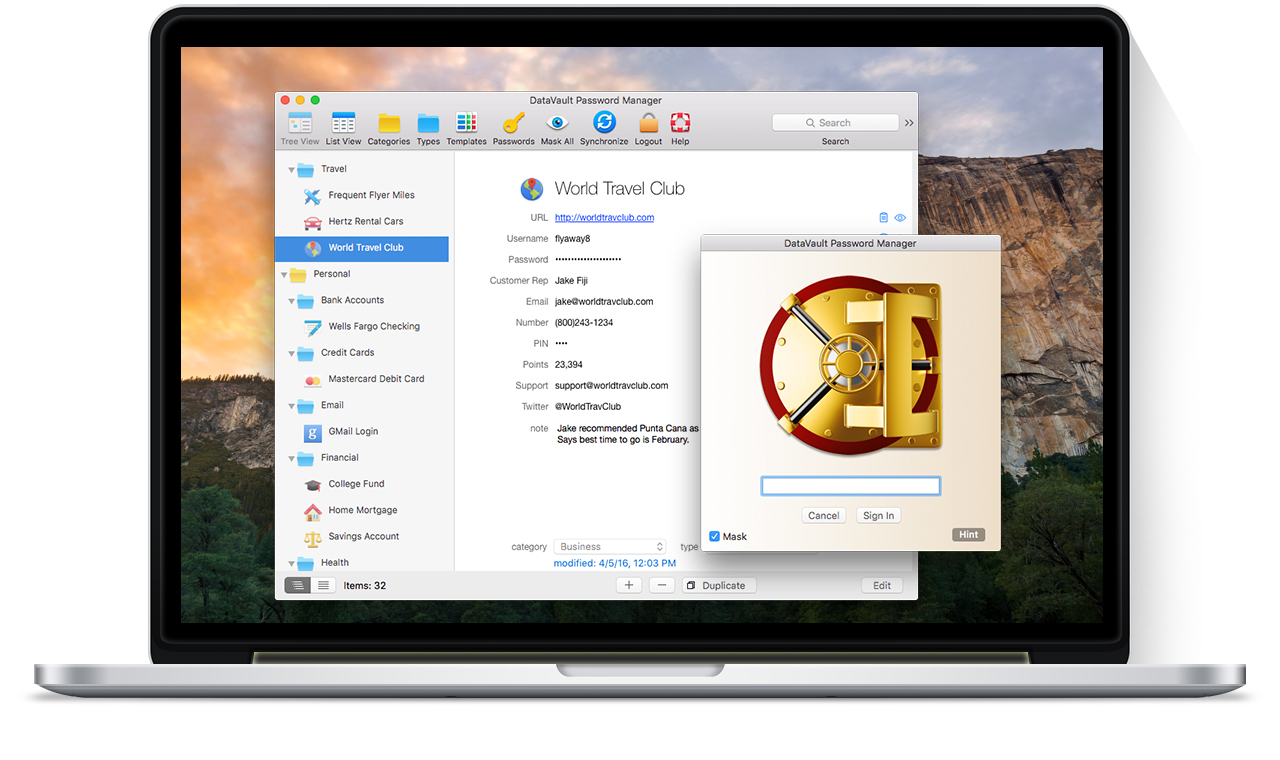
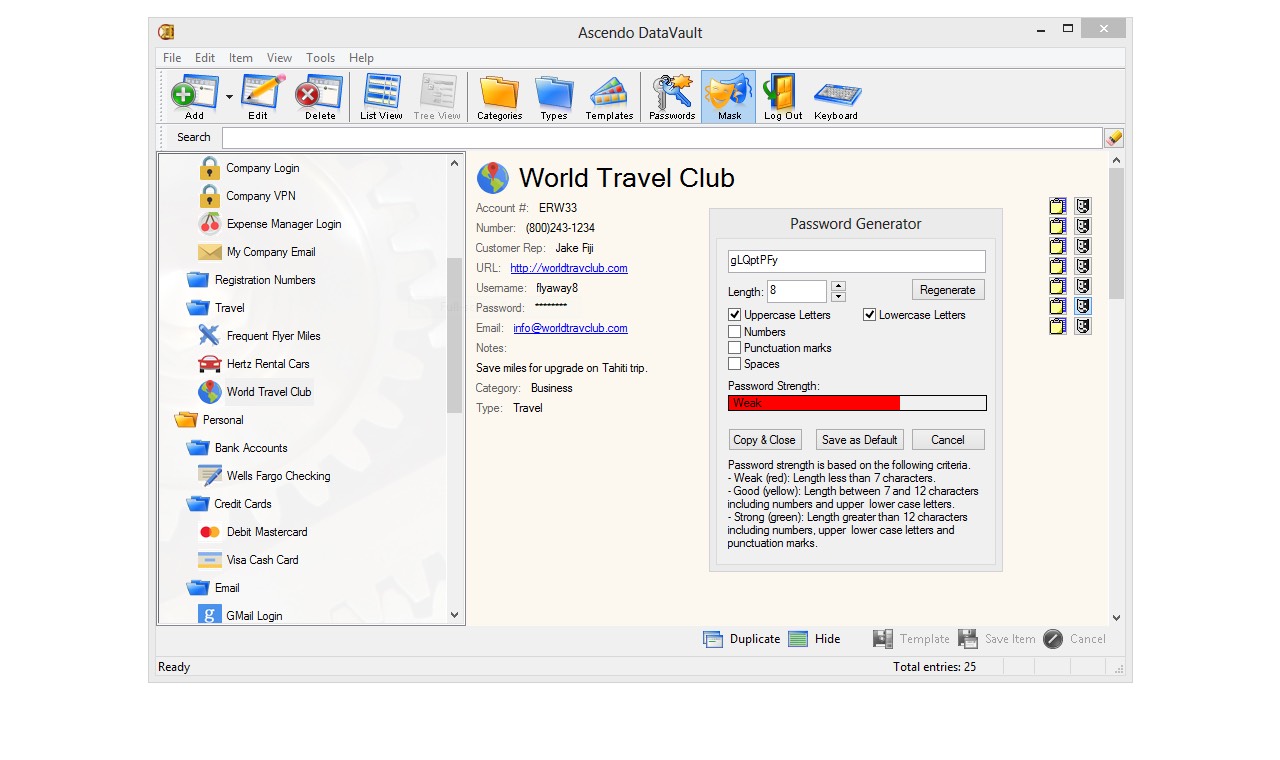
The Internet was designed as a distributed network to resist attacks of all kinds. Most password managers take the opposite approach, creating a central repository that becomes a magnet for hackers. Ascendo has developed a Distributed Security Model for Password Management © to keep your confidential information safe. Find out more…