Fonctionnement facile par système d'onglets

VideoCap a pour tâche de faciliter les enregistrements d'images et de vidéos capturées par les Webcams. L'intuitivité et l'ergonomie de son interface simplifie les opérations à entreprendre.
Fonctionnement facile par système d'onglets
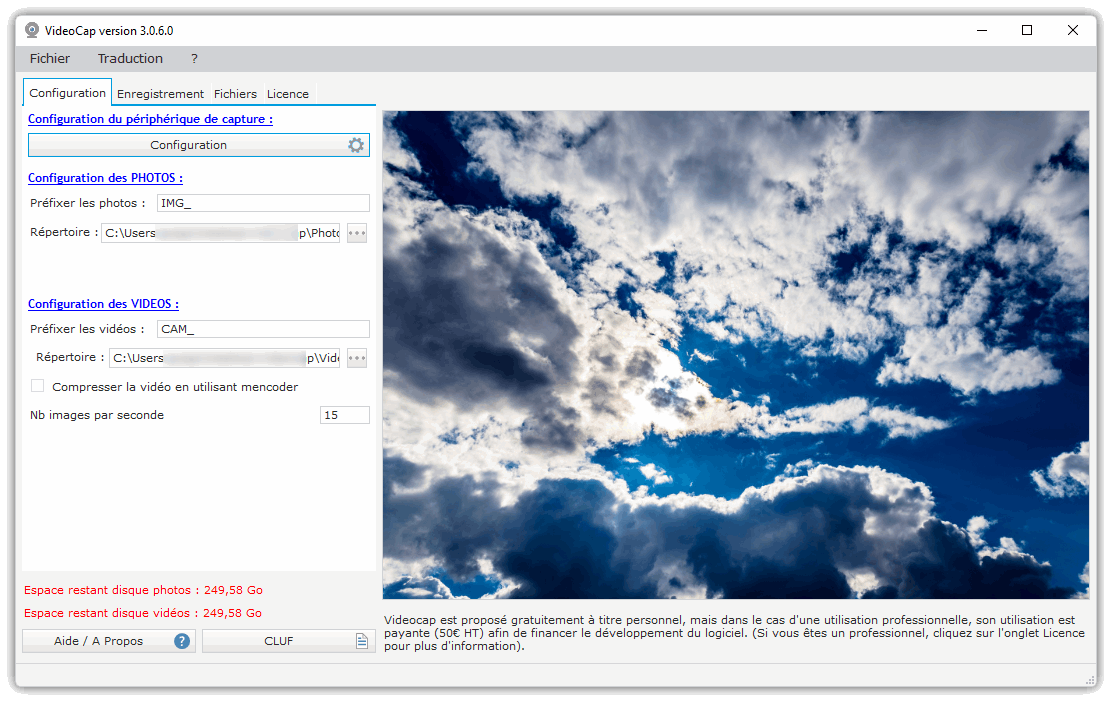
Permet de configurer le logiciel simplement, les dossiers de destination, les préfixes, la compression.
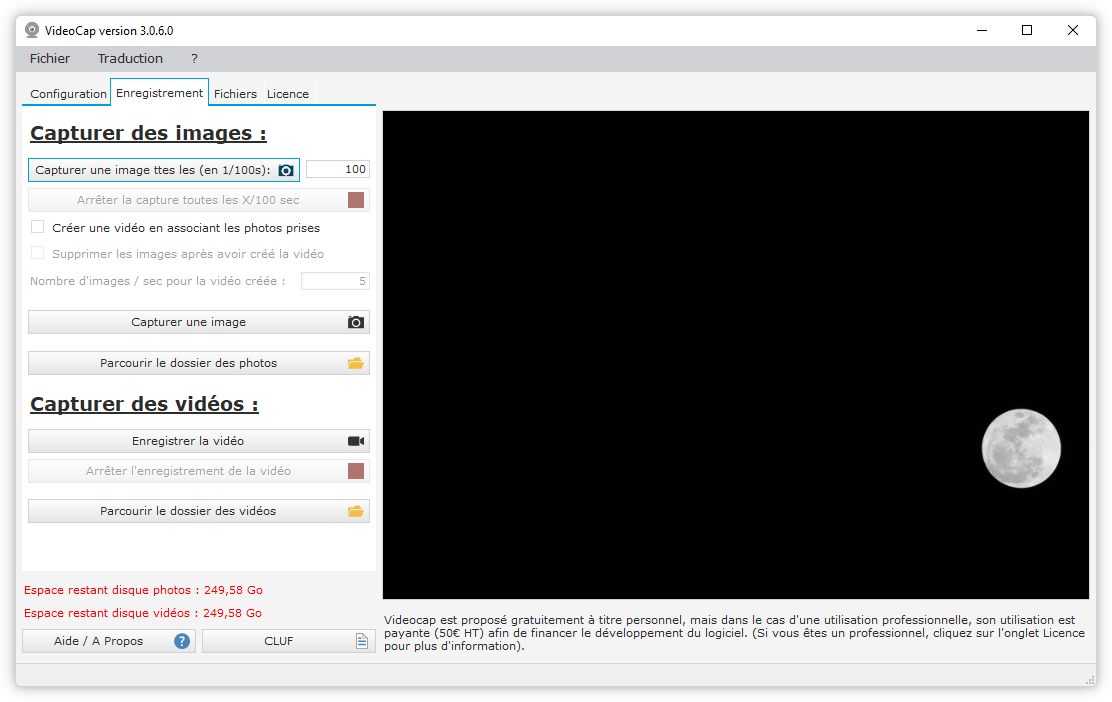
Permet de lancer les enregistrements audio, video, timelapse, slowmotion,
Proposez vous en tant que traducteur afin de profiter d'une licence gratuite pour un poste.
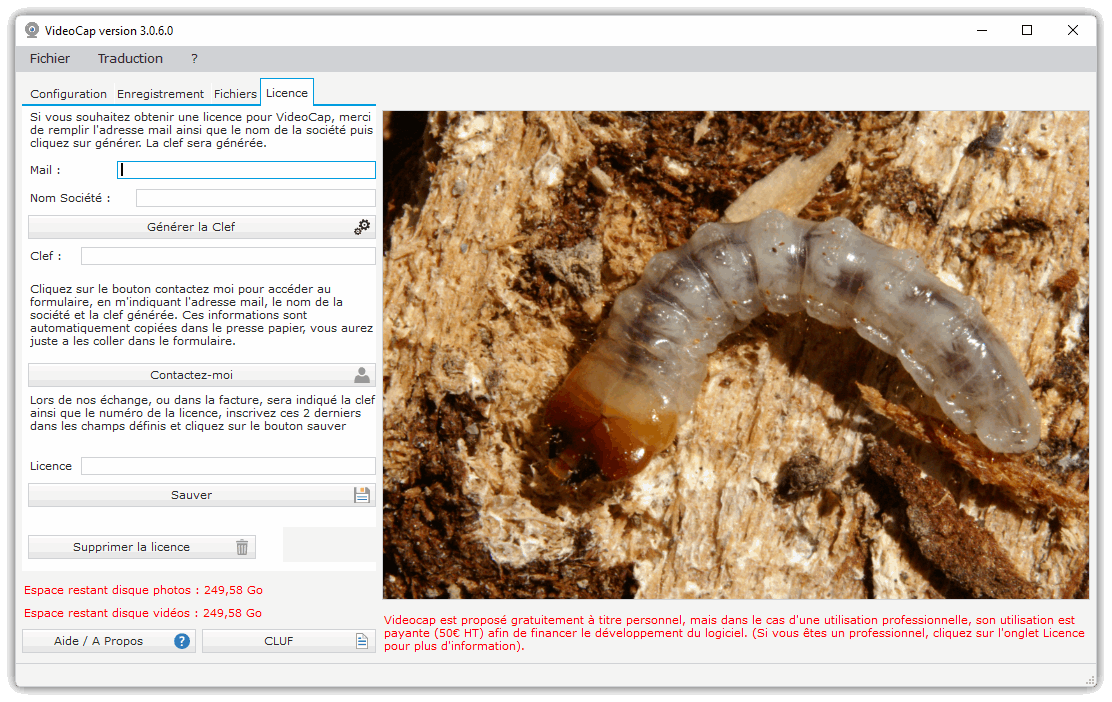
Vous souhaitez utiliser VideoCap dans une entreprise, une association, un établissement scolaire ? Vous devez acheter une licence Professionnelle !
Rassurez vous, cette licence est valable à vie
Cinema is the primary custodian of contemporary Kerala culture. The lush, monsoon-drenched landscapes of Alappuzha, the misty hills of Wayanad, and the bustling, multi-cultural streets of Kochi are not just backdrops; they function as living characters.
This public link is valid for 7 days and shares a thread, including any personal information you added. This link or copies made by others cannot be deleted. If you share with third parties, their policies apply. Can’t copy the link right now. Try again later.
Simultaneously, this era solidified a vital relationship between cinema and literature. Literary giants like M.T. Vasudevan Nair, Vaikom Mohammed Basheer, and S.K. Pottekkatt began writing directly for the screen or saw their works adapted by filmmakers like K.S. Sethumadhavan. Adaptations of classics like Chemmeen , Yakshi (1968), and Odayil Ninnu (1965) enriched the films with narrative depth and psychological complexity, creating a "highbrow" reputation for the industry that persists to this day. mallu aunty hot videos download top
Communism, labor unions, and social reform movements have deeply shaped Kerala's history. Malayalam cinema routinely addresses political corruption, caste discrimination, and the friction between tradition and modernity. Directors like Sathyan Anthikad and Sreenivasan perfected the art of using biting political satire to critique systemic flaws without losing mainstream appeal. The Art of Self-Deprecation
Malayalam cinema, originating from the southwestern coastal state of Kerala, stands as a unique phenomenon in global film history. Unlike many regional film industries in India that prioritize larger-than-life escapism, Malayalam cinema has carved its identity through realism, socio-political commentary, and deep cultural rootedness. The evolution of Malayalam film mirrors the socio-cultural shifts of Kerala, blending literary traditions, progressive politics, and everyday human struggles into a distinct cinematic language. The Literary Roots and Early Foundations Cinema is the primary custodian of contemporary Kerala
During the 1940s and 1950s, Kerala experienced a powerful wave of leftist political movements and a progressive literary renaissance. Writers like Thakazhi Sivasankara Pillai, Vaikom Muhammad Basheer, and M.T. Vasudevan Nair began collaborating with filmmakers. This bridge between literature and celluloid shifted the focus from mythological fantasies to the harsh realities of working-class life, caste discrimination, and agrarian struggles. The Landmark Breakthrough: Chemmeen (1965)
Despite operating on a fraction of the budget of Bollywood or Tamil cinema, Mollywood pushed technical boundaries. Sound design, realistic lighting, and guerrilla filmmaking tactics became hallmarks of the industry. This link or copies made by others cannot be deleted
The COVID-19 pandemic and the subsequent boom of Over-The-Top (OTT) streaming platforms acts as a catalyst. Audiences across India and the globe discovered films like The Great Indian Kitchen (2021), a blistering critique of patriarchy entrenched in everyday domestic chores. Malayalam cinema was no longer a regional secret; it became a global benchmark for quality content. Cultural Aesthetics: Music, Language, and Landscape
Galerie Photos